How to Add More Plant Protein to Your Healthspan Diet (Without Overthinking It)
If there’s one thing I want women over 40 to hear loud and clear, it’s this: protein matters. Not because you’re chasing a number on the scale, but because protein is the quiet architect of your healthspan—your strength, your metabolism, your resilience, your vibrancy.
And plant protein? It’s powerful, versatile, nutrient-dense, anti-inflammatory, gut-friendly, and wonderfully aligned with long-term vitality. Yet most people dramatically underestimate how easy it is to weave more plant protein into their day.
So let’s change that. Here are simple, actionable, science-backed ways to elevate your protein intake—without living solely on powders or spending hours in the kitchen.
1. Start With “Smart Protein Swaps”
You don’t have to overhaul your entire eating pattern. Just swap strategically.
* Replace chicken with tofu or tempeh in stir-fries.
* Use lentils instead of ground turkey in soups, tacos, or shepherd’s pie.
* Add white beans to pasta dishes for a buttery, protein-rich upgrade.
* Blend silken tofu into smoothies instead of yogurt for creaminess + protein.
Small swaps = big metabolic wins.
2. Build Your Plate Around Protein First
Most people build meals around starch or flavor. In a healthspan-focused pattern, you start with protein, vegetables, and color.
Ask yourself: “What’s my protein?” If you can’t answer that, the meal isn’t finished.
Great foundations include:
* Tofu
* Tempeh
* Lentils
* Edamame
* Black beans, kidney beans, chickpeas
* Green peas
* Soy milk (yes, real protein!)
When protein leads, everything else falls into place: satiety, blood sugar stability, and muscle preservation.
3. Make Soy Your Secret Weapon
Soy remains one of the most misunderstood foods in nutrition—yet decades of research show it’s safe, protective, and ideal for women over 40.
Why? Because it delivers:
* Complete protein
* Calcium, magnesium, iron
* Isoflavones that support heart, bone, and menopausal health
If you want effortless plant protein, keep soy staples stocked:
* High-protein tofu
* Tempeh
* Edamame (frozen is perfect!)
* Unsweetened soy milk
* Soy-based yogurts
It’s the MVP of healthspan-supportive eating.
4. Blend Beans Into Everything (Even If You Don’t “Like Beans”)
If the image of a plain bowl of beans doesn’t excite you, good news—it’s almost 2026 and the options are endless.
Try adding beans to:
* Smooth soups (purée for creaminess)
* Salad dressings (white beans = instant luxury)
* Oatmeal (yes—savory oats + lentils = elite)
* Sandwich spreads
* Veggie burgers
* Sautéed vegetables
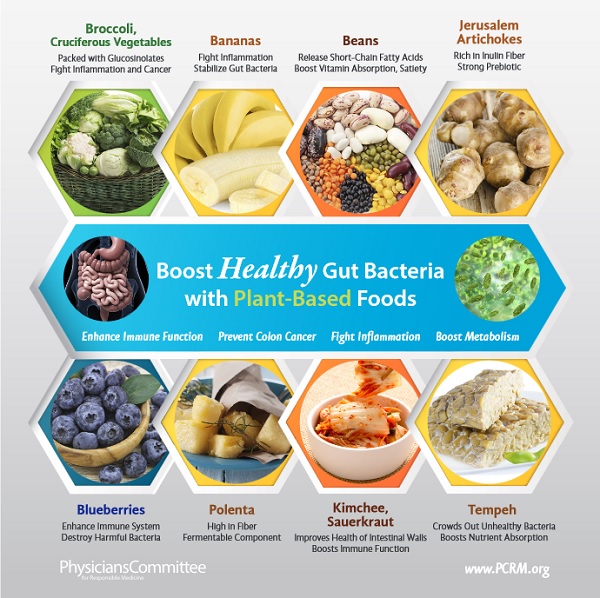
Beans don’t just add protein—they deliver fiber, minerals, polyphenols, and prebiotic support for your microbiome.
5. Use Plant Protein Powder as a Tool, Not a Crutch
A high-quality plant protein powder is a great option, especially if you’re active, busy, or navigating appetite changes (hello, GLP-1 medications).
Use it to:
* Boost smoothies
* Enrich oatmeal
* Create high-protein pancakes or waffles
* Level up soups or chia pudding
But it shouldn’t replace whole-food protein entirely. Think of it as a supportive add-on.
6. Double Your Protein Sources in a Single Meal
This trick works beautifully for women who struggle to hit their daily protein target.
Pair two plant proteins together:
* Tofu + edamame
* Beans + lentils
* Tempeh + hemp seeds
* Soy milk + chia seeds in a smoothie
The synergy boosts total protein, fiber, and nutrients while keeping meals satisfying.
7. Make “Protein-Forward Snacks” Your Default
Snacks are the easiest place to upgrade your intake.
Try:
* Roasted chickpeas
* Edamame with sea salt
* Hummus + veggies
* Soy yogurt + chia
* Protein-packed energy bites
* High-protein, whole grain crackers + white bean dip
These stabilize energy and prevent the late-afternoon crash.
8. Build Muscle With Your Fork
Women over 40 lose muscle rapidly unless they engage in strength training and hit their protein needs. Plant protein supports:
* Muscle protein synthesis
* Metabolic flexibility
* Bone density
* Insulin sensitivity
* Recovery
Your future self will thank you for every extra gram of plant protein you choose today.
9. Don’t Fear Carbs — Pair Them Wisely
Plant protein doesn’t require protein-centric dieting. Pairing it with high-fiber carbs increases satisfaction and nutrient absorption.
Examples:
* Lentils over roasted sweet potatoes
* Bean chili with quinoa
* Pasta tossed with tofu, spinach, and white beans
Think: balanced, colorful, fiber-rich fuel.
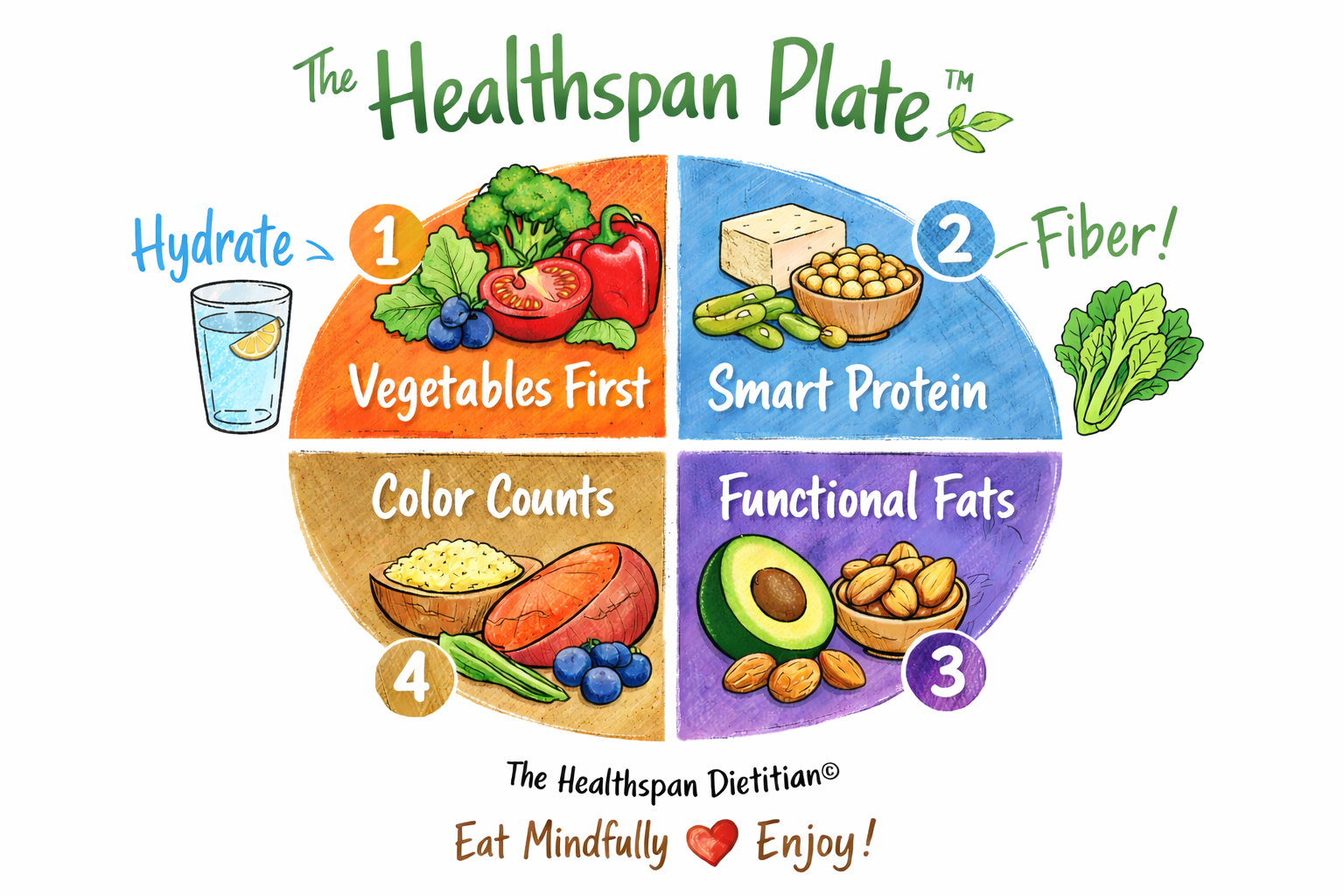
Everything becomes easier when you anchor your meals with this structure:
1. Vegetables First
2. Smart Protein
3. Functional Fats
4. Color Counts
This framework ensures protein lands on every plate without effort or overthinking.
Final Thoughts
Plant protein isn’t boring, restrictive, or incomplete. It’s powerful, protective, and deeply aligned with the way your body ages.
Start small. Build smart. Stay consistent. Your metabolism, muscles, bones, brain, and microbiome will respond beautifully.
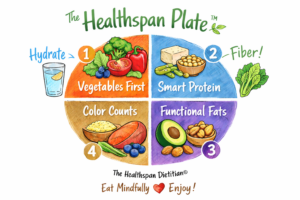
The Healthspan Plate™ — a visual, intuitive guide that shows you how to build a meal that loves you back
Most people overthink nutrition. Calories, macros, meal timing, rules, restrictions — it quickly becomes a full-time job. But eating for longevity and metabolic vitality doesn’t have to be complicated. In fact, it can be very simple.
The Healthspan Plate™ is the blueprint I teach all my clients — a clear, visual, science-backed framework that shows you exactly how to build a meal that supports your metabolism, gut health, muscle preservation, energy levels, and long-term health.
Here’s what each section means and why it matters:
🥦 1. Vegetables First
(Colorful Veggies & Fruits)
This is the foundation of your plate — literally and metabolically.
Filling half your plate with colorful, fiber-rich vegetables (and fruits in moderation) floods your body with:
antioxidants
polyphenols
vitamins + minerals
gut-friendly fiber
anti-inflammatory compounds
These foods are naturally low in calories but incredibly high in volume and nutrition, making them the perfect anchor for appetite regulation, weight management, and metabolic health.
Why it works:
This “vegetables first” strategy automatically keeps your meal nutrient-dense, anti-inflammatory, and blood-sugar steady — without needing to measure or count anything.
🍛 2. Smart Protein
(Tofu, Tempeh, Legumes, Soy Foods, Plant Protein Blends)
Protein is the single most under-consumed nutrient for women over 40 — and the most essential for:
preserving muscle
supporting metabolism
maintaining strength
stabilizing hunger
balancing blood sugar
Smart Protein means choosing high-quality, plant-forward sources that deliver amino acids plus fiber, minerals, and anti-inflammatory benefits.
Examples include:
tofu (high-protein varieties are amazing)
tempeh
edamame
beans + lentils
soy milk
plant-based protein powders
Target: 25–35 grams per meal, depending on your body size and training.
Why it works:
Muscle is the organ of longevity. Protein is how you build and protect it.
🥑 3. Functional Fats
(Nuts, Seeds, Avocado — no added oils)
Functional Fats are whole-food sources of fat that support:
brain health
hormone regulation
satiety
nutrient absorption
anti-inflammatory pathways
Think:
avocado
almonds
walnuts
cashews
chia, flax, hemp seeds
nut and seed butters
Notice what’s not here: bottled oils.
Not because fat is “bad,” but because whole-food fats offer more nutrition, more fiber, more antioxidants, and more satiety than isolated oils.
Why it works:
You get healthy fats the way nature intended — packaged with phytonutrients, minerals, and fiber.
🍠 4. Whole Grains & Starchy Veggies
(Quinoa, Potatoes, Brown Rice, Sweet Potatoes)
Carbs are not the enemy.
Ultra-processed carbs are.
Whole, fiber-rich carbs are the fuel your metabolism actually wants.
This section includes:
quinoa
oats
brown rice
farro
barley
sweet potatoes
white potatoes
squash
starchy legumes
These foods provide slow-burning energy, micronutrients, gut-nourishing fibers, and satiety.
Why it works:
Quality carbs keep your blood sugar stable, your workouts strong, and your cravings calm.
💧 Hydrate
You don’t need to count water in ounces to be healthy — you simply need to stay consistently hydrated.
Even mild dehydration impacts:
hunger
mood
digestion
metabolism
muscle function
Hydration is the silent cornerstone of healthspan.
🌱 Fiber!
Fiber is the superstar of longevity nutrition. It:
feeds your microbiome
supports gut-brain balance
stabilizes glucose
improves cholesterol
reduces inflammation
keeps you full
When you fill your plate using this framework, you naturally hit 30–40 grams of fiber a day — no supplements required.
✨ A Plate That Supports Your Healthspan — Every Single Day
The Healthspan Plate™ is more than a nutrition strategy — it’s a daily practice in choosing foods that strengthen, nourish, and energize you.
With every meal, you’re prioritizing:
muscle preservation
metabolic balance
gut health
inflammation reduction
healthspan at the cellular level
You don’t need calorie tracking or extreme dieting. You need structure — and this plate gives it to you in a way that’s flexible, intuitive, and sustainable.
❤️ Eat Mindfully. Enjoy Fully. Live Longer, Stronger, and Brighter.
This is what eating for healthspan looks like: simple, colorful, satisfying, and deeply supportive of the life you want to live.
Years ago, as a personal trainer, I emphasized protein to support strength and muscle. Later, as The Plant-Based Dietitian®, my focus shifted to the undeniable power of whole plant foods—vegetables, fruits, whole grains, legumes, mushrooms, nuts, seeds, herbs, and spices. That foundation still stands strong.
But science evolves—and so has my perspective.
Emerging research now highlights protein as a critical player in aging gracefully. We’re not just talking about lifespan anymore; we’re aiming to maximize our healthspan—the number of years we feel vibrant, strong, and fully alive. Basically, we are talking about living longer, not just living longer.
Muscle mass naturally declines with age, and without adequate protein, the risks of frailty, falls, and metabolic issues increase. The good news? You can absolutely meet your protein needs on a 100% plant-based diet—without compromising longevity or vitality.
It’s time to shift the narrative: protein isn’t just for athletes or bodybuilders. It’s for all of us who want to live well and age powerfully.
Let’s build strength from the inside out—plant-powered and protein-aware.
Why Protein Matters More as We Age
While most people around the globe currently get enough protein to survive, the focus is shifting toward getting enough to thrive. Here’s why:
* Muscle Mass Declines with Age: Starting as early as our 30s, we begin to lose muscle mass each decade—a process called sarcopenia (Barone et al., 2025). We experience approximately a 1% or more decline in muscle mass per year after the age of 50 (Larsson et al., 2019). Protein intake helps preserve lean mass, mobility, balance, and metabolic health.
* Increased Anabolic Resistance: As we age, our bodies become less efficient at building muscle from dietary protein. This means we actually need more protein to stimulate the same muscle-protective effects (Paulussen et al., 2021).
* Immune Function & Recovery: Protein provides the building blocks (amino acids) for antibodies, enzymes, and cellular repair mechanisms that keep our immune systems strong and recovery efficient (Nunes et al., 2022; Kelly & Pearce, 2020; Li & Wu, 2022).
* Metabolic Regulation: Higher protein diets have been shown to improve insulin sensitivity, support satiety, and contribute to healthy weight management—all key factors in extending healthspan (Moon & Koh, 2020; Hansen et al., 2021; Lonnie et al., 2018).
Protein and the Brain: Not Just for Biceps
It’s not just about muscle. Several recent studies highlight the role of adequate protein in preserving cognitive function and reducing the risk of neurodegenerative disease—likely due to protein’s effects on neurotransmitter synthesis, brain plasticity, and inflammation (Yeh et al., 2022; Keum et al., 2024).
Can You Get Enough Protein on a Plant-Based Diet?
Absolutely. And it is optimal from a health and sustainability standpoint (Ferrari et al., 2020; Huang et al., 2020; Lonnie et al., 2018).
But you need to be intentional.
Unlike the animal-centric diets often used in protein research, a whole food, plant-based approach can easily meet—and exceed—protein needs when built with variety and density in mind. Foods like:
* Lentils, chickpeas, and all beans
* Tofu, tempeh, and edamame
* Hemp seeds, chia seeds, flaxseeds
* Quinoa, buckwheat, and amaranth
* Legume pastas
* High-protein plant-based powders from soy, mushrooms, peas, or brown rice
And contrary to the old myths, plant proteins do contain all essential amino acids—it’s about overall intake, not obsessing over combinations at each meal.
How Much Protein Do We Really Need?
The current RDA of 0.8 g/kg/day is based on minimum needs to prevent deficiency—not optimal health. For active adults and older populations, experts now recommend 1.2 to 1.6 g/kg/day, especially to counteract muscle loss and maintain functionality (Nunes et al., 2022). Exercising individuals are advised to consume at least 1.4 to 2.0 g of protein per kg of bodyweight per day (g/kg/d) to optimize exercise training induced adaptations (Jäger et al., 2017) and 1.4–2.2 g/kg/day for women at all stages of menstrual function (Sims et al., 2023). That’s about 80–150 grams for a 150-pound person, depending on lifestyle. And yes, that’s totally doable on plants—with a smoothie, lentil stew, tempeh stir-fry, and snacks like roasted chickpeas or protein-packed dips.
My Take as a Plant-Based and Healthspan Dietitian
Protein isn’t just about performance—it’s about preservation. As we redefine aging, the conversation must include optimizing muscle mass, cognitive health, and metabolic function. Prioritizing high-quality, plant-based protein sources helps us stay strong, sharp, and independent through every decade of life. Let’s ditch the protein fear-mongering and embrace it as a vital tool for living longer and better—on a delicious, compassionate, and sustainable plant-based path.
Best Plant Sources of Protein
Plant-Based Protein Sources (Per ~100 Calories)
Food
Protein (g)
Serving Size (approx.)
Notable Nutrients
Tempeh
10–12 g
~3 oz (85 g)
Iron, calcium, probiotics
Seitan
18–21 g
~1.25 oz (35 g)
Iron, very high protein (gluten-based)
Tofu (Firm)
10 g
~3 oz (85 g)
Calcium, iron, isoflavones
Lentils (cooked)
7.5 g
~½ cup
Fiber, folate, iron
Black Beans (cooked)
6.5 g
~½ cup
Fiber, magnesium, folate
Edamame (cooked)
10 g
~⅔ cup
Iron, calcium, full amino acid profile
Chickpeas (cooked)
5.5 g
~½ cup
Fiber, manganese, folate
Quinoa (cooked)
3.5–4 g
~½ cup
Complete protein, magnesium
Green Peas (cooked)
6.5 g
~¾ cup
Vitamin C, A, fiber
Pumpkin Seeds (Pepitas)
5–6 g
~2 tbsp
Iron, zinc, magnesium
Peanuts (dry roasted)
4.5–5 g
~1 tbsp
Healthy fats, niacin, vitamin E
Almonds (raw)
3.7 g
~12 almonds
Vitamin E, magnesium
Chia Seeds
3.5 g
~1 tbsp
Omega-3s, fiber, calcium
Nutritional Yeast
8 g
~2 tbsp
B12 (fortified), zinc, umami flavor
Hemp Seeds
5.5 g
~2 tbsp
Omega-3s, magnesium, complete protein
Key Notes:
Seitan is the highest per calorie, but avoid if gluten-sensitive.
Tempeh & tofu are highly digestible and minimally processed soy options.
Legumes offer solid protein with excellent fiber (double win).
Seeds and nuts are more calorie-dense but great for balanced snacks.
Nutritional yeast is a sneaky, cheesy-tasting protein booster.
💪🏼 Ready to Take Action? Let’s Do This Together
Ready to put the power of plant-based protein into action? Whether you’re just starting out or fine-tuning your wellness routine, you don’t have to do it alone. With my 1:1 Dietitian-In-Your-Pocket Coaching, you’ll receive personalized support, accountability, and a strategy tailored specifically to your goals, lifestyle, and preferences. Or, if you’re craving a quick reset with powerful momentum, join the next 21-Day Summer Choose You Now Challenge—a science-backed, results-driven group experience designed to help you ignite change and build sustainable habits, one day at a time. Either way, you’re not just adding protein—you’re choosing strength, vitality, and the future you deserve. Let’s build your healthspan together. 💪🏼🌱✨
📑 References and Resources
Barakat, C., Pearson, J., Escalante, G., Campbell, B., & De Souza, E. O. (2020). Body recomposition: can trained individuals build muscle and lose fat at the same time?. Strength & Conditioning Journal, 42(5), 7-21. (Link)
Barone, M., Baccaro, P., & Molfino, A. (2025). An Overview of Sarcopenia: Focusing on Nutritional Treatment Approaches. Nutrients, 17(7), 1237. (Link)
Campbell, W. W., Deutz, N. E., Volpi, E., & Apovian, C. M. (2023). Nutritional interventions: dietary protein needs and influences on skeletal muscle of older adults. The Journals of Gerontology: Series A, 78(Supplement_1), 67-72. (Link)
Ferrari, L., Panaite, S. A., Bertazzo, A., & Visioli, F. (2022). Animal-and plant-based protein sources: a scoping review of human health outcomes and environmental impact. Nutrients, 14(23), 5115. (Link)
Hansen, T. T., Astrup, A., & Sjödin, A. (2021). Are dietary proteins the key to successful body weight management? A systematic review and meta-analysis of studies assessing body weight outcomes after interventions with increased dietary protein. Nutrients, 13(9), 3193. (Link)
Huang, J., Liao, L. M., Weinstein, S. J., Sinha, R., Graubard, B. I., & Albanes, D. (2020). Association between plant and animal protein intake and overall and cause-specific mortality. JAMA internal medicine, 180(9), 1173-1184. (Link)
Jäger, R., Kerksick, C. M., Campbell, B. I., Cribb, P. J., Wells, S. D., Skwiat, T. M., … & Antonio, J. (2017). International society of sports nutrition position stand: protein and exercise. Journal of the International Society of Sports Nutrition, 14(1), 20. (Link)
Kelly, B., & Pearce, E. L. (2020). Amino assets: how amino acids support immunity. Cell metabolism, 32(2), 154-175. (Link)
Keum, M., Lee, B. C., Choe, Y. M., Suh, G. H., Kim, S. G., Kim, H. S., … & Kim, J. W. (2024). Protein intake and episodic memory: the moderating role of the apolipoprotein E ε4 status. Alzheimer’s Research & Therapy, 16(1), 181. (Link)
Larsson, L., Degens, H., Li, M., Salviati, L., Lee, Y. I., Thompson, W., … & Sandri, M. (2019). Sarcopenia: aging-related loss of muscle mass and function. Physiological reviews, 99(1), 427-511. (Link)
Li, P., & Wu, G. (2022). Important roles of amino acids in immune responses. British Journal of Nutrition, 127(3), 398-402. (Link)
Lonnie, M., Hooker, E., Brunstrom, J. M., Corfe, B. M., Green, M. A., Watson, A. W., … & Johnstone, A. M. (2018). Protein for life: Review of optimal protein intake, sustainable dietary sources and the effect on appetite in ageing adults. Nutrients, 10(3), 360. (Link)
Moon, J., & Koh, G. (2020). Clinical evidence and mechanisms of high-protein diet-induced weight loss. Journal of obesity & metabolic syndrome, 29(3), 166. (Link)
Nunes, E. A., Stokes, T., McKendry, J., Currier, B. S., & Phillips, S. M. (2022). Disuse-induced skeletal muscle atrophy in disease and nondisease states in humans: mechanisms, prevention, and recovery strategies. American Journal of Physiology-Cell Physiology. (Link)
Paulussen, K. J., McKenna, C. F., Beals, J. W., Wilund, K. R., Salvador, A. F., & Burd, N. A. (2021). Anabolic resistance of muscle protein turnover comes in various shapes and sizes. Frontiers in nutrition, 8, 615849. (Link)
Pencharz, P. B., Elango, R., & Wolfe, R. R. (2016). Recent developments in understanding protein needs–how much and what kind should we eat?. Applied Physiology, Nutrition, and Metabolism, 41(5), 577-580. (Link)
Phillips, S. M., Chevalier, S., & Leidy, H. J. (2016). Protein “requirements” beyond the RDA: implications for optimizing health. Applied Physiology,Nutrition, and Metabolism, 41(5), 565-572. (Link)
Polis, B., & Samson, A. O. (2024). Enhancing cognitive function in older adults: dietary approaches and implications. Frontiers in Nutrition, 11, 1286725. (Link)
Sims, S. T., Kerksick, C. M., Smith-Ryan, A. E., Janse de Jonge, X. A., Hirsch, K. R., Arent, S. M., … & Antonio, J. (2023). International society of sports nutrition position stand: nutritional concerns of the female athlete. Journal of the International Society of Sports Nutrition, 20(1), 2204066. (Link)
Yeh, T. S., Yuan, C., Ascherio, A., Rosner, B. A., Blacker, D., & Willett, W. C. (2022). Long-term dietary protein intake and subjective cognitive decline in US men and women. The American journal of clinical nutrition, 115(1), 199-210. (Link)
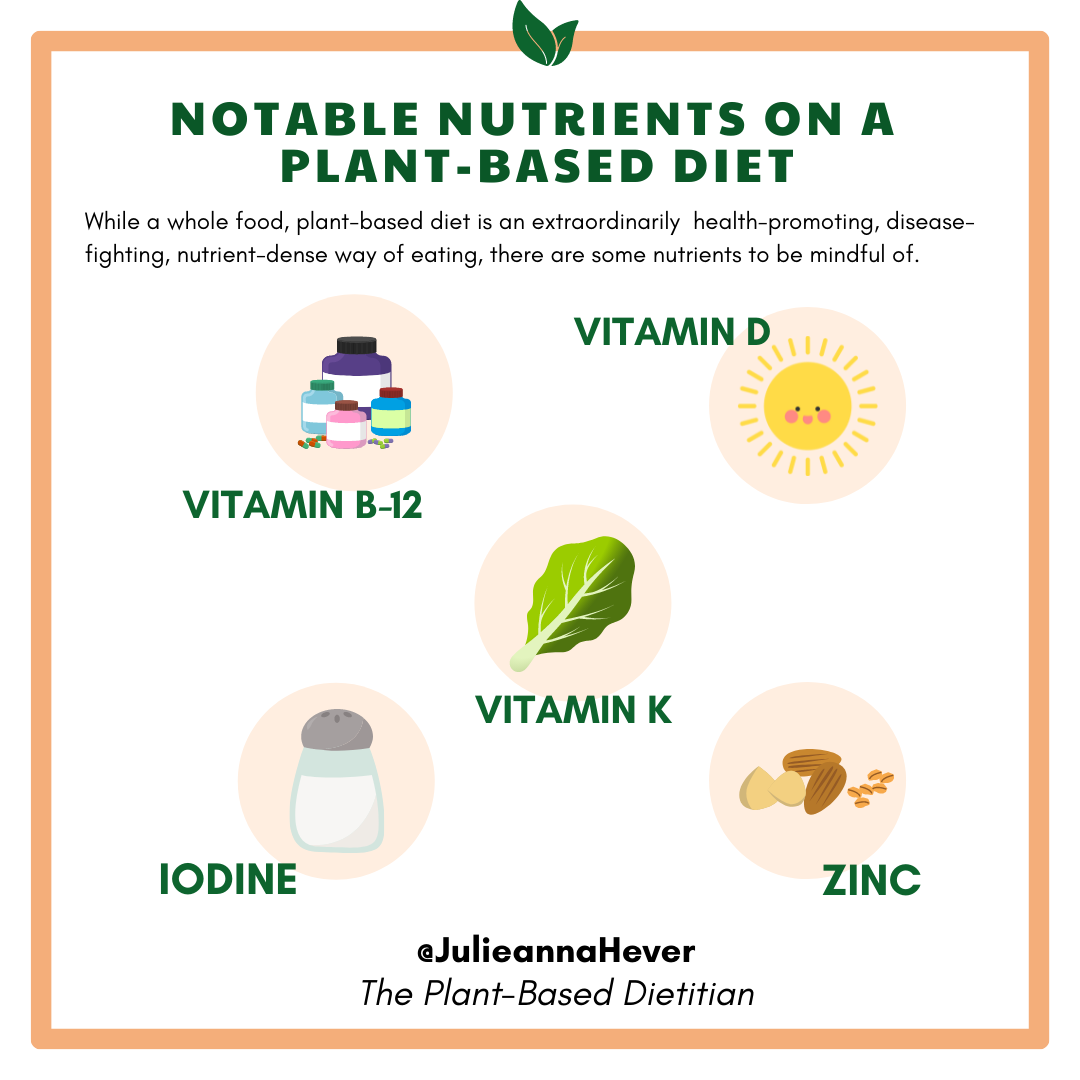
While a whole food, plant-based diet is an extraordinarily health-promoting, disease-fighting, nutrient-dense, delicious way of eating, there are some micronutrients – vitamins and minerals – to remain mindful of.
I highlight these nutrients in the video below and here is a summary:
Vitamin B12
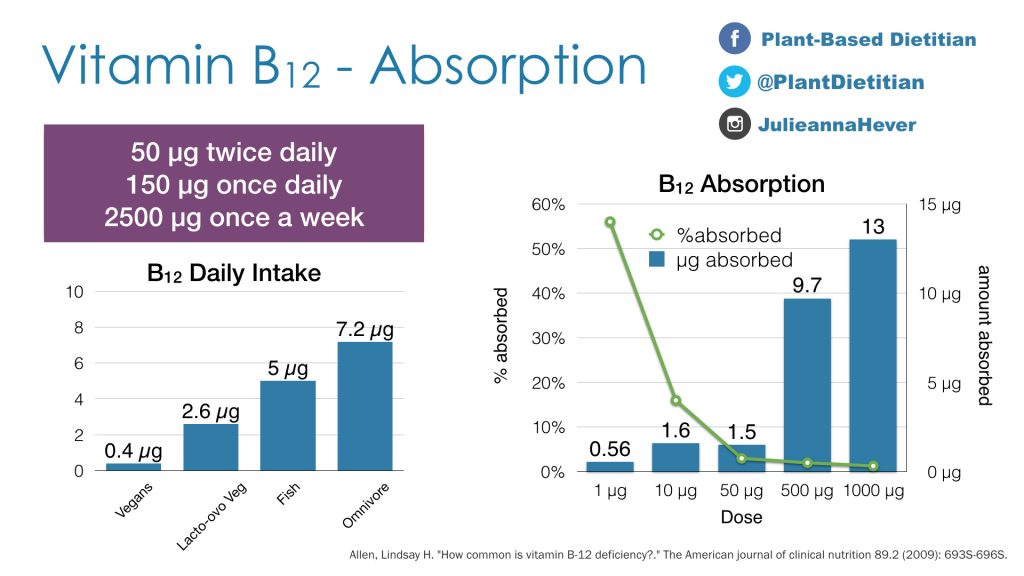
Crucial for neurological function, healthy red blood cells, and DNA synthesis, this is one nutrient that needs to be supplemented for anyone on a plant-based diet or over the age of 50. B12 may be found in fortified foods (e.g. nutritional yeast, plant milks) but the most efficient, safest, most cost-effective, reliable way to ensure adequate intake is to supplement with either 50 micrograms twice daily, 150 micrograms once daily, or 2,500 micrograms once weekly. Here are more specific B12 recommendations.
Vitamin D
The “sunshine vitamin” plays a role in the health of bones, immunity, inflammation, and more. Our skin absorbs UVB rays from the sun and converts them in the liver and kidneys to produce the active form, 1,25(OH)2D. Because of sunscreen, indoor living, smog, and many other factors, many people have insufficient levels of vitamin D. Check serum levels and use sun therapy and/or supplements when necessary. Click here for more on vitamin D.
Vitamin K
Vitamin K is key for blood clotting, cardiovascular health, and bone metabolism. We can easily consume vitamin K1 (phylloquinone) from plants, but we may consider supplementing with vitamin K2 (menaquinone). Eat plenty of leafy green vegetables, sea vegetables, asparagus, avocado, broccoli, cauliflower, lentils, peas, natto.
Iodine
Iodine is a trace element necessary for thyroid health and metabolism. Dietary sources are unreliable due to varying soil qualities. Best sources to ensure adequate – but not too much – intake include sea vegetables (such as arame, dulse, nori, kombu, and wakame) and iodized salt (about half a teaspoon offers the adult requirement). If you are avoiding salt and do not consume sea vegetables, supplements can be used to meet recommended intake.
Zinc
Zinc is an essential mineral involved in cellular metabolism, protein synthesis, immunity, growth. Because of phytates found in plants, zinc needs to be consumed in larger doses on a plant-based diet to ensure adequate absorption. Best sources include legumes (beans, lentils, peas, soyfoods, hummus should be a food group), nuts, seeds, and oats.
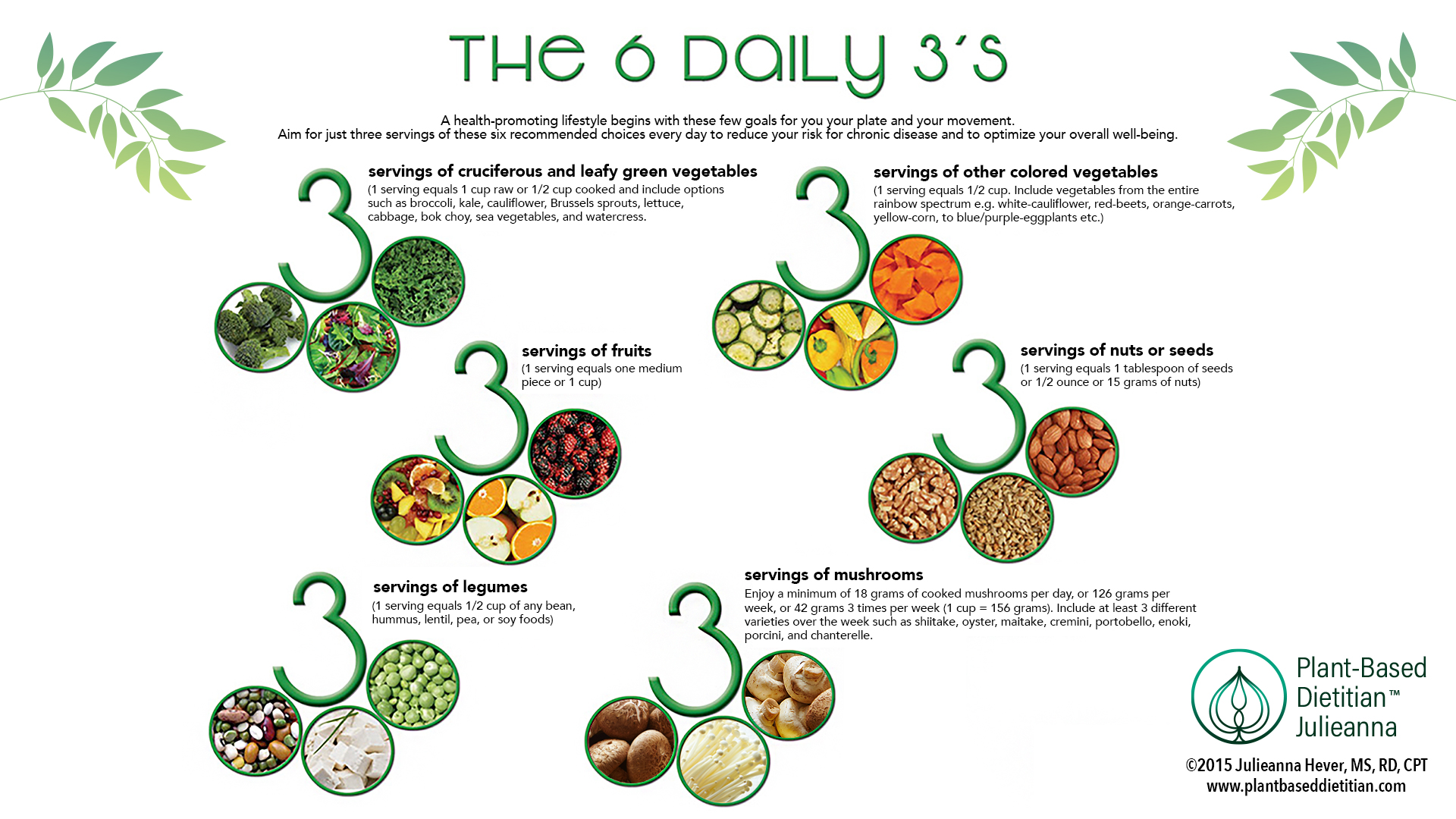
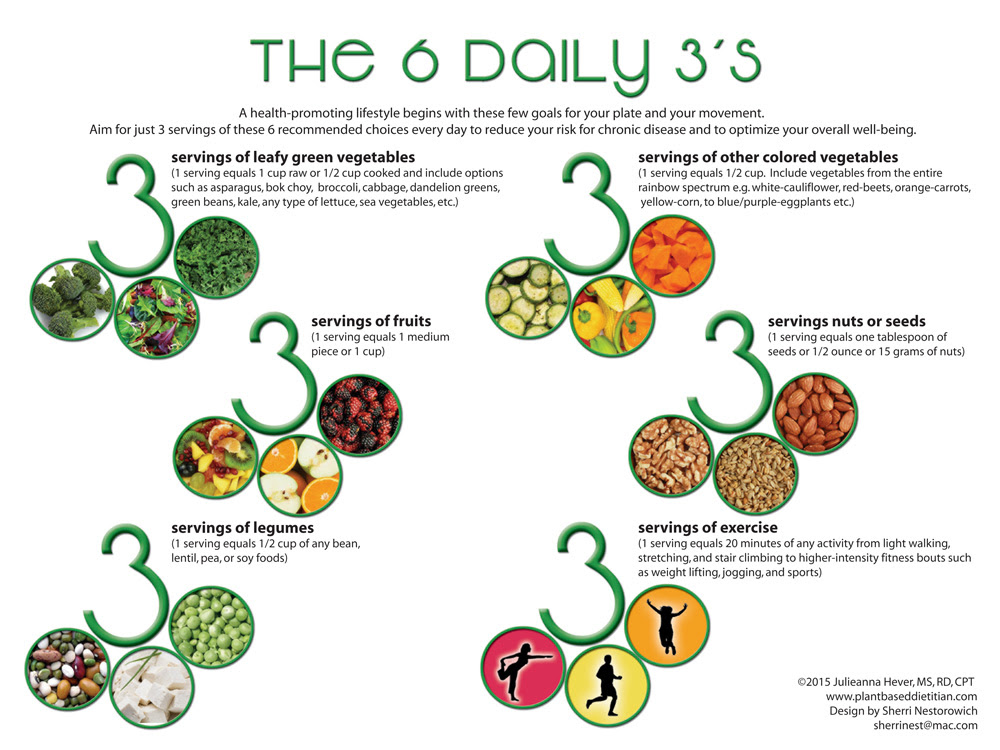
Long overdue, I have been wanting to swap out the only non-food member of the 6 Daily 3’s with mushrooms for years. And, alas, the time has finally come!
You may remember the prior version, where movement plays one of the key roles. While staying physically activity, incorporating exercise, and moving more is hugely important for every system of the body – cardiovascular, neurological, immunological, gastrointestinal, skeletal, etc., mushrooms needed as place in this mnemonic as one of the foods to prioritize in your diet. Continue incorporating activity and exercise into your daily life, but now we are honing in on food.
Some of the Many Reasons Mushrooms are So Magnificent
Mushrooms have been consumed as a functional food by many cultures for centuries because of their unique taste, subtle flavor, and role in a healthful diet, being low in calories, carbohydrates, sodium, and fats and cholesterol-free. Edible mushrooms are also rich in bioactive compounds, including phytonutrients (alkaloids, phenolic acids, flavonoids, carotenoids), fiber, polysaccharides, selenium, vitamins (e.g., niacin, thiamin, riboflavin, ascorbic acid, and vitamins B and D), and especially the antioxidants, ergothioneine and glutathione.
Mushroom’s medicinal properties include being antioxidant, anti-inflammatory, anticancer, antidiabetic, antiallergic, immunomodulating, cardioprotective, cholesterol-lowering, antiviral, antibacterial, antiparasitic, antifungal, detoxifying, and protective against cancer.
While there is an abundance of data on mushroom’s advantages, here is an example – a new systematic review and meta-analysis in American Society for Nutrition found an association between higher mushroom consumption and lower risk of cancer.
How to Incorporate Mushrooms
Consider adding in at least three different species each week – choose amongst the many edible species, including shiitake, oyster, maitake, king oyster, white button, crimini, portobello, enoki, porcini, and chanterelle.
A plant-based diet has been shown time and time again to be the most health-promoting, disease-fighting, and nutrient-dense way of eating possible. Emphasizing a wide range of vegetables (especially leafy green varieties), fruits, whole grains, legumes, nuts, seeds, herbs, and spices makes it simple to achieve nutrient needs while avoiding chronic overnutrition.
One nutrient that likely will fall short on a plant-based diet is cobalamin, commonly referred to as vitamin B12. B12 is produced by microorganisms, bacteria, fungi, and algae, but not by animals or plants. B12 is found in animal products because they concentrate the nutrient after ingesting these microorganisms along with their food in their flesh, organs, and byproducts (e.g. eggs and dairy). Also, ruminant animals (such as cows, sheep, and goats) have bacteria in their rumen that produce vitamin B12.
In a vegan diet, vitamin B12 may be found in fortified plant milks, cereals, and other foods, such as nutritional yeast. However, if vegans are not conscientious about taking in the recommended dietary allowance (RDA), there could be harmful health consequences. Deficiency can result in potentially irreversible neurological disorders, gastrointestinal problems, and megaloblastic anemia. Though B12 is certainly the most common of vegan supplements, B12 deficiency is not unique to vegans who do not supplement. Deficiency is also a concern with aging, medication use, and gastrointestinal issues. So much so that it has been recommended that all adults over the age of 60 years supplement to avoid deficiency.
Interestingly, the body is able to store B12 for upwards of even ten years. To further complicate this, signs and symptoms for deficiency are either not noticeable or simply very subtle. So, if B12 is not being taken in at adequate levels or if there are absorption problems, deficiency will eventually ensue. Because blood tests for B12 levels can be skewed by other variables, irreversible damage may occur before a deficiency is detected.
RDA’s for vitamin B12 across the lifespan can be found in detail here. For non-pregnant adults, aged 14 and above, the RDA is 2.4 micrograms per day. To ensure this is absorbed (in a healthy individual, barring any possible inhibitors), higher doses are recommended.
The bottom line is that it seems the best way to supplement to maximize absorption and maintain optimal blood levels of B12 is for vegan adults (as well as non-vegan adults over the age of 50) should consider supplementing with these doses of vitamin B12:
50 µg twice a day OR
150 µg once a day OR
2,500 µg once a week
High doses of B12 are safe and there isn’t a tolerable upper limit that has been established. It is best to undergo testing regularly and adjust the dose as necessary.
Here is an ultra-simplified guide on how to prioritize your plate in order to ensure you are consuming all you need for adequate nutrition and optimal health:
Consider how to fit in these foods and movement throughout the day for easy success on a daily basis…
Remember to take your vitamin B12 and to test for vitamin D and supplement, as necessary. And here is how to confirm you are diligent about finding your other notable nutrient needs.
You are what you eat…but, perhaps more so, you are what your bacteria eat!
One of the pioneering and leading fields of study currently is that of the microbiota (our body’s bacterial profile) and how it plays an enormous role in our health and immune function via many different mechanisms.
“The human microbiota consists of the 10-100 trillion symbiotic microbial cells harbored by each person, primarily bacteria in the gut…” so we literally have more bacterial cells as we do our own human cells!
Your gut microbiome is unique to you based on how you were born, geography, age, diet, etc. and influences your health in many ways. The fantastic part is that you can alter your bacterial profile with your diet and lifestyle, optimizing how your bacteria work for you.
Of course, plant eaters seem to have healthier microbiotas, which likely plays a role in the positive health outcomes. Plant-based diets feed the healthy bacteria and are anti-inflammatory. Animal foods are inflammatory.
Feed your good bacteria plenty of fiber (found only in plants) in order to promote a happy, healthy microbiota, which will then reward you with optimal health…
Notice how everything sounds more and more delicious the hungrier you are? A crisp sweet apple, a crunchy rib of celery, a soft, warm plain baked potato…items you may not crave on a regular basis, but with hunger, your true palate emerges.
If you have ever fasted, or detoxified with a “cleanse,” or been on any weight loss diet, you likely have experienced an increased interest and desire (sometimes rather dramatic) for all things food-related. When I used to diet, I would read cookbooks and nutrition books and talk to my friends and family about recipes obsessively. I literally could not move my mind away from eating.
On the flip side, when you eat hyperpalatable foods or are in the midst of a large feast (as what commonly occurs on Thanksgiving), food tastes progressively less and less enjoyable. It’s as though your taste buds numb out. An alert that your body is no longer interested in receiving any further deposits.
Here is how to maximize these natural tendencies for optimal health and easy weight management:
Allow yourself to get physically hungry before eating. You will know you are hungry when simple foods like an apple or raw celery sound exquisite.
Stop eating when you are comfortable and satisfied. You will know this by your body feeling satisfied and food will stop tasting as good as it did at the beginning.
Detox off of hyperpalatable foods (highly processed foods rich in sugars, fats, salt, and artificial additives) if you are still consuming them on a regular basis or if you crave them.

 10. Make It Simple: Follow the Healthspan Plate™