

How to Add More Plant Protein to Your Healthspan Diet (Without Overthinking It)
If there’s one thing I want women over 40 to hear loud and clear, it’s this: protein matters. Not because you’re chasing a number on the scale, but because protein is the quiet architect of your healthspan—your strength, your metabolism, your resilience, your vibrancy.
And plant protein? It’s powerful, versatile, nutrient-dense, anti-inflammatory, gut-friendly, and wonderfully aligned with long-term vitality. Yet most people dramatically underestimate how easy it is to weave more plant protein into their day.
So let’s change that. Here are simple, actionable, science-backed ways to elevate your protein intake—without living solely on powders or spending hours in the kitchen.
1. Start With “Smart Protein Swaps”
You don’t have to overhaul your entire eating pattern. Just swap strategically.
* Replace chicken with tofu or tempeh in stir-fries.
* Use lentils instead of ground turkey in soups, tacos, or shepherd’s pie.
* Add white beans to pasta dishes for a buttery, protein-rich upgrade.
* Blend silken tofu into smoothies instead of yogurt for creaminess + protein.
Small swaps = big metabolic wins.
2. Build Your Plate Around Protein First
Most people build meals around starch or flavor. In a healthspan-focused pattern, you start with protein, vegetables, and color.
Ask yourself:
“What’s my protein?”
If you can’t answer that, the meal isn’t finished.
Great foundations include:
* Tofu
* Tempeh
* Lentils
* Edamame
* Black beans, kidney beans, chickpeas
* Green peas
* Soy milk (yes, real protein!)
When protein leads, everything else falls into place: satiety, blood sugar stability, and muscle preservation.
3. Make Soy Your Secret Weapon
Soy remains one of the most misunderstood foods in nutrition—yet decades of research show it’s safe, protective, and ideal for women over 40.
Why?
Because it delivers:
* Complete protein
* Calcium, magnesium, iron
* Isoflavones that support heart, bone, and menopausal health
If you want effortless plant protein, keep soy staples stocked:
* High-protein tofu
* Tempeh
* Edamame (frozen is perfect!)
* Unsweetened soy milk
* Soy-based yogurts
It’s the MVP of healthspan-supportive eating.
4. Blend Beans Into Everything (Even If You Don’t “Like Beans”)
If the image of a plain bowl of beans doesn’t excite you, good news—it’s almost 2026 and the options are endless.
Try adding beans to:
* Smooth soups (purée for creaminess)
* Salad dressings (white beans = instant luxury)
* Oatmeal (yes—savory oats + lentils = elite)
* Sandwich spreads
* Veggie burgers
* Sautéed vegetables
Beans don’t just add protein—they deliver fiber, minerals, polyphenols, and prebiotic support for your microbiome.
5. Use Plant Protein Powder as a Tool, Not a Crutch
A high-quality plant protein powder is a great option, especially if you’re active, busy, or navigating appetite changes (hello, GLP-1 medications).
Use it to:
* Boost smoothies
* Enrich oatmeal
* Create high-protein pancakes or waffles
* Level up soups or chia pudding
But it shouldn’t replace whole-food protein entirely. Think of it as a supportive add-on.
6. Double Your Protein Sources in a Single Meal
This trick works beautifully for women who struggle to hit their daily protein target.
Pair two plant proteins together:
* Tofu + edamame
* Beans + lentils
* Tempeh + hemp seeds
* Soy milk + chia seeds in a smoothie
The synergy boosts total protein, fiber, and nutrients while keeping meals satisfying.
7. Make “Protein-Forward Snacks” Your Default
Snacks are the easiest place to upgrade your intake.
Try:
* Roasted chickpeas
* Edamame with sea salt
* Hummus + veggies
* Soy yogurt + chia
* Protein-packed energy bites
* High-protein, whole grain crackers + white bean dip
These stabilize energy and prevent the late-afternoon crash.
8. Build Muscle With Your Fork
Women over 40 lose muscle rapidly unless they engage in strength training and hit their protein needs. Plant protein supports:
* Muscle protein synthesis
* Metabolic flexibility
* Bone density
* Insulin sensitivity
* Recovery
Your future self will thank you for every extra gram of plant protein you choose today.
9. Don’t Fear Carbs — Pair Them Wisely
Plant protein doesn’t require protein-centric dieting. Pairing it with high-fiber carbs increases satisfaction and nutrient absorption.
Examples:
* Lentils over roasted sweet potatoes
* Bean chili with quinoa
* Pasta tossed with tofu, spinach, and white beans
Think: balanced, colorful, fiber-rich fuel.
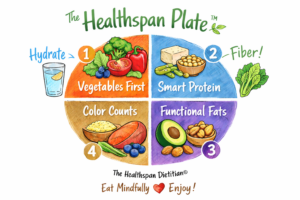 10. Make It Simple: Follow the Healthspan Plate™
Everything becomes easier when you anchor your meals with this structure:
1. Vegetables First
2. Smart Protein
3. Functional Fats
4. Color Counts
This framework ensures protein lands on every plate without effort or overthinking.
Final Thoughts
Plant protein isn’t boring, restrictive, or incomplete. It’s powerful, protective, and deeply aligned with the way your body ages.
Start small. Build smart. Stay consistent.
Your metabolism, muscles, bones, brain, and microbiome will respond beautifully.